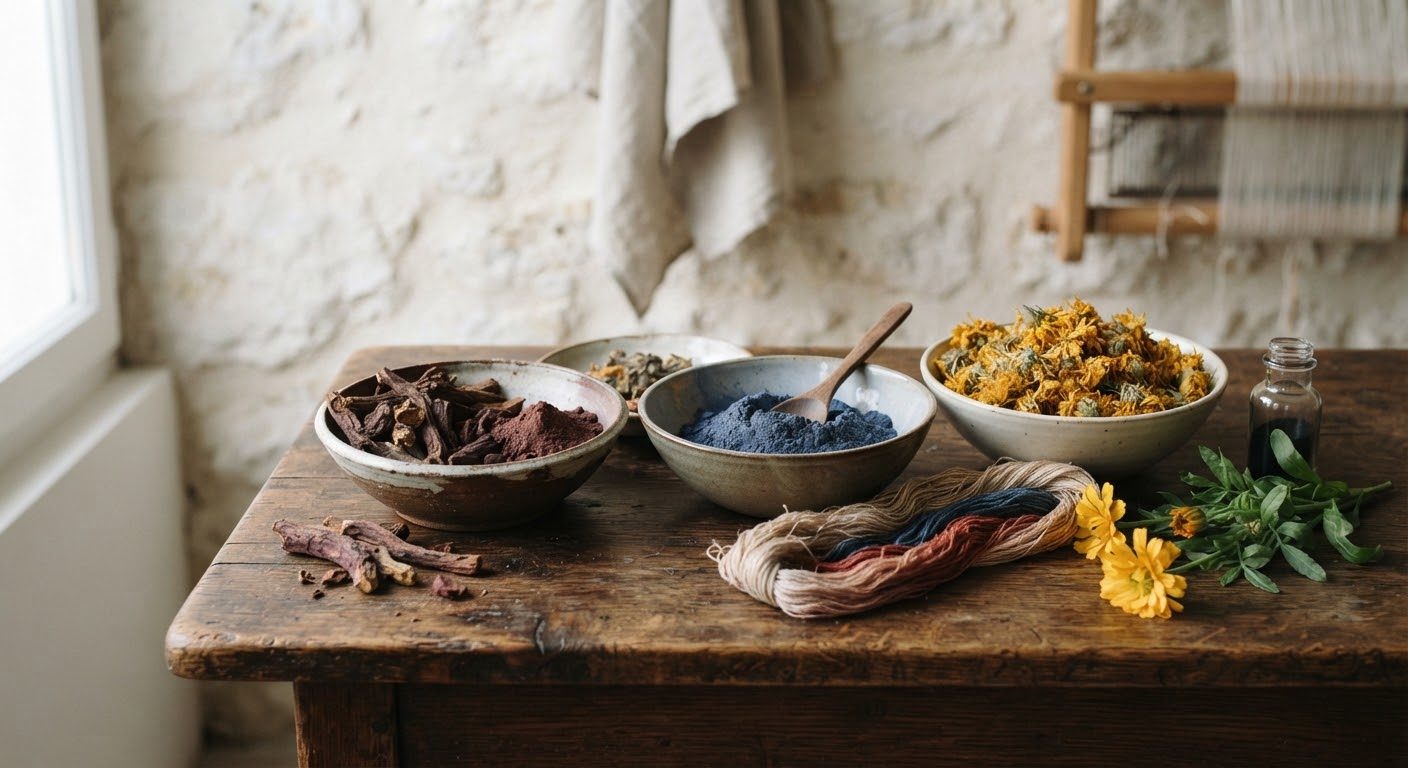
Published: 12 August 2026
Why the Crafts Endure
A craft has not survived because it was protected, but because someone needed it. That remains the only real protection.
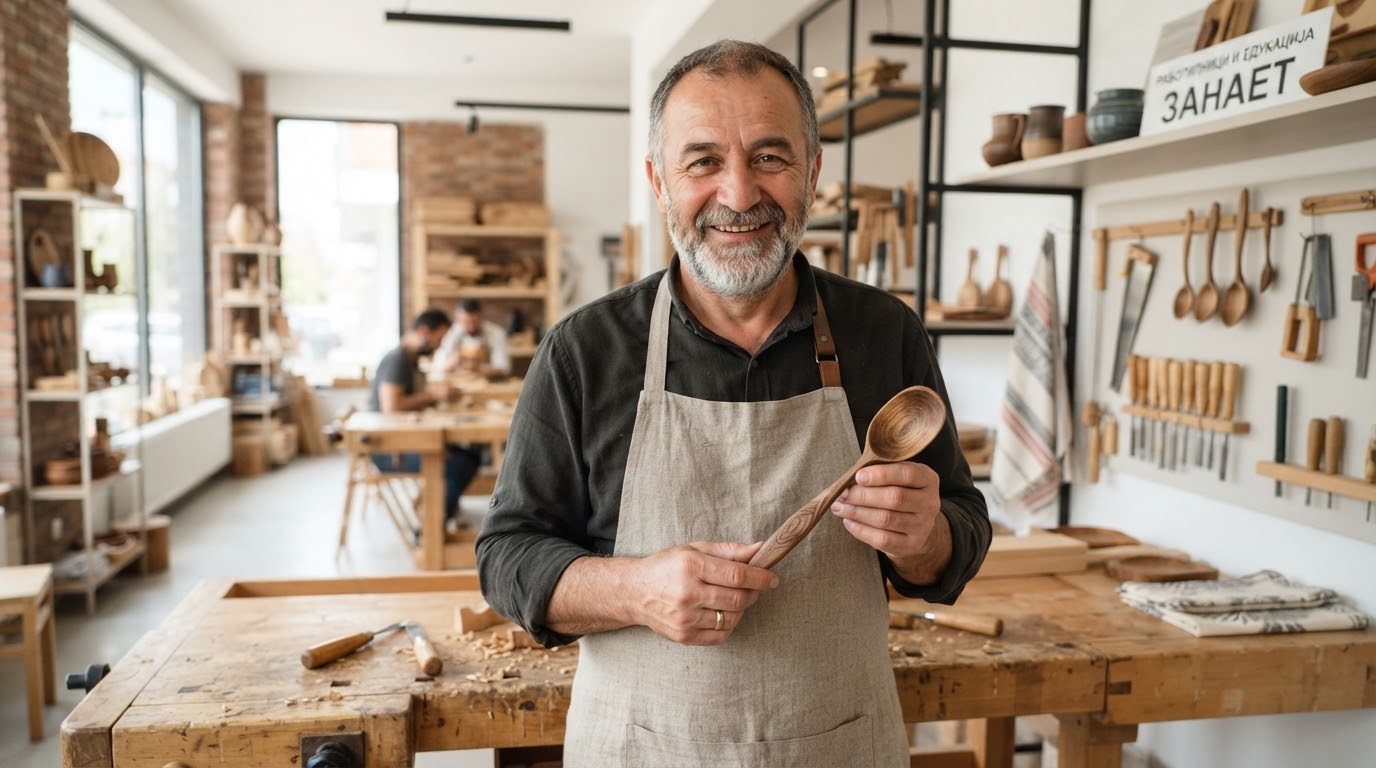
When we speak of preserving traditional crafts, it is easy to fall into the language of the museum: conservation, documentation, exhibition. Those things are needed. But no craft ever survived inside a display case.
The craft as a living economy
Each of the five masters on this platform lives from the work. Not as a hobby after retirement, but as an occupation that feeds a household. That is the only form of preservation with a future — the one in which knowledge is passed on because there is someone to pass it to.
The problem is not a lack of interest. The problem is visibility. A master working in a bazaar shop, with no website and no photographs of the work, depends on who happens to walk past the door.
What this platform does
No more than shorten the distance between the maker and the person looking for them. The profiles carry the biography, the technique and the contact. The gallery shows the work as it actually looks. From there, the conversation is direct.
Wood remembers everything. That is why you must never hurry it.
Stefan Dimovski's sentence holds for the craft itself. It does not tolerate hurry either.
All stories